


Powering autonomy

Autonomous depot operations for AV and EV fleets - starting with charging and vehicle inspections. Built on intelligent perception, advanced sensing, and reliable infrastructure.


.svg)
.svg)
.svg)
The robotics layer powering autonomous EV and AV depots — starting with charging and inspections.
Manual charging breaks at scale.
In live EV and AV depots, ports, and logistics yards, charging and core depot operations are still manual — performed multiple times per day, across mixed fleets, in tight urban footprints, and under real-world constraints.
The result isn’t just inconvenience.
It’s missed charges, unpredictable downtime, and rising labor and infrastructure costs – all of which directly limit vehicle uptime, scalability, and reliability at fleet scale.
We introduce a new standard for depot operations.
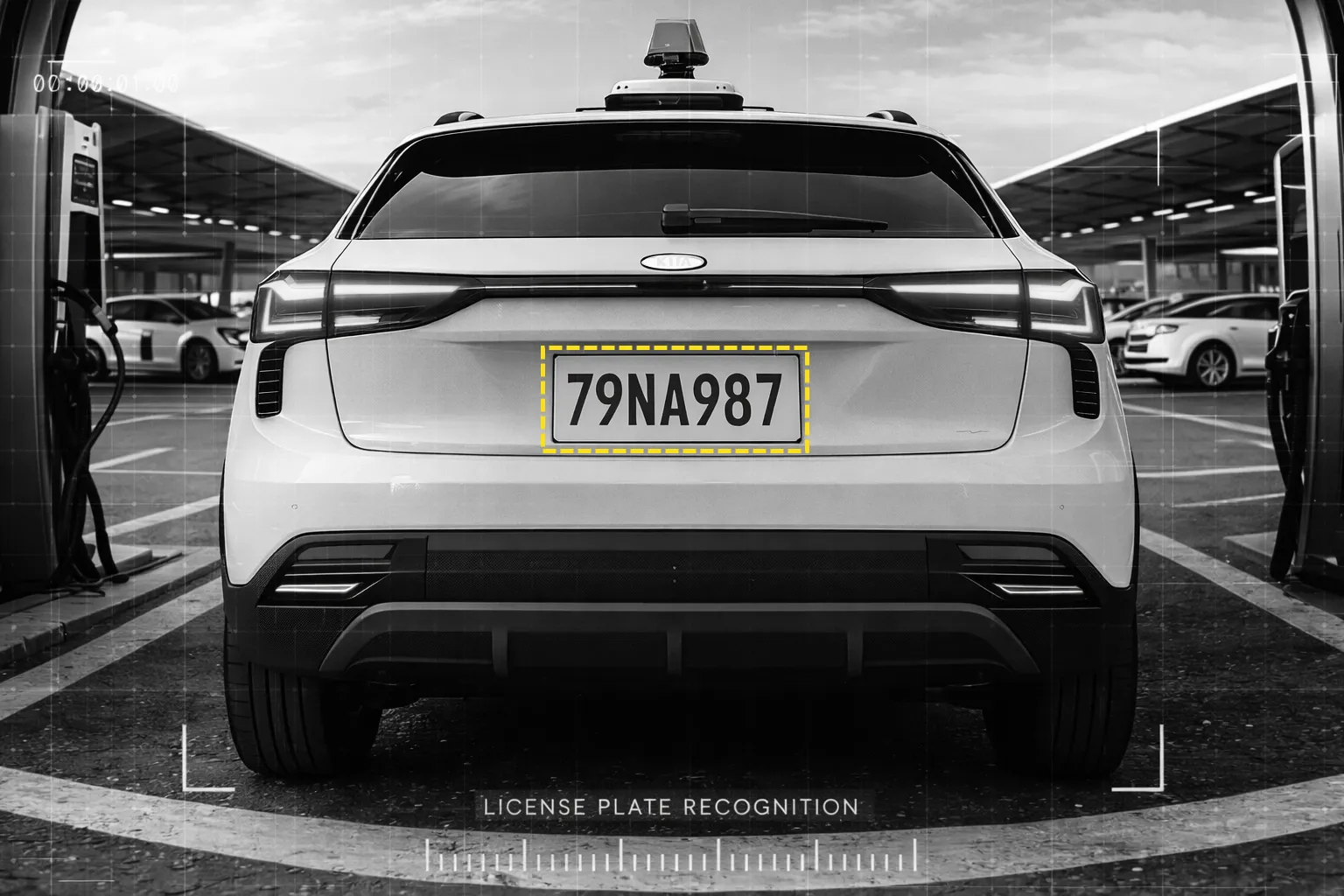
Vehicle arrives at stall
Parked within standard EVCS envelope
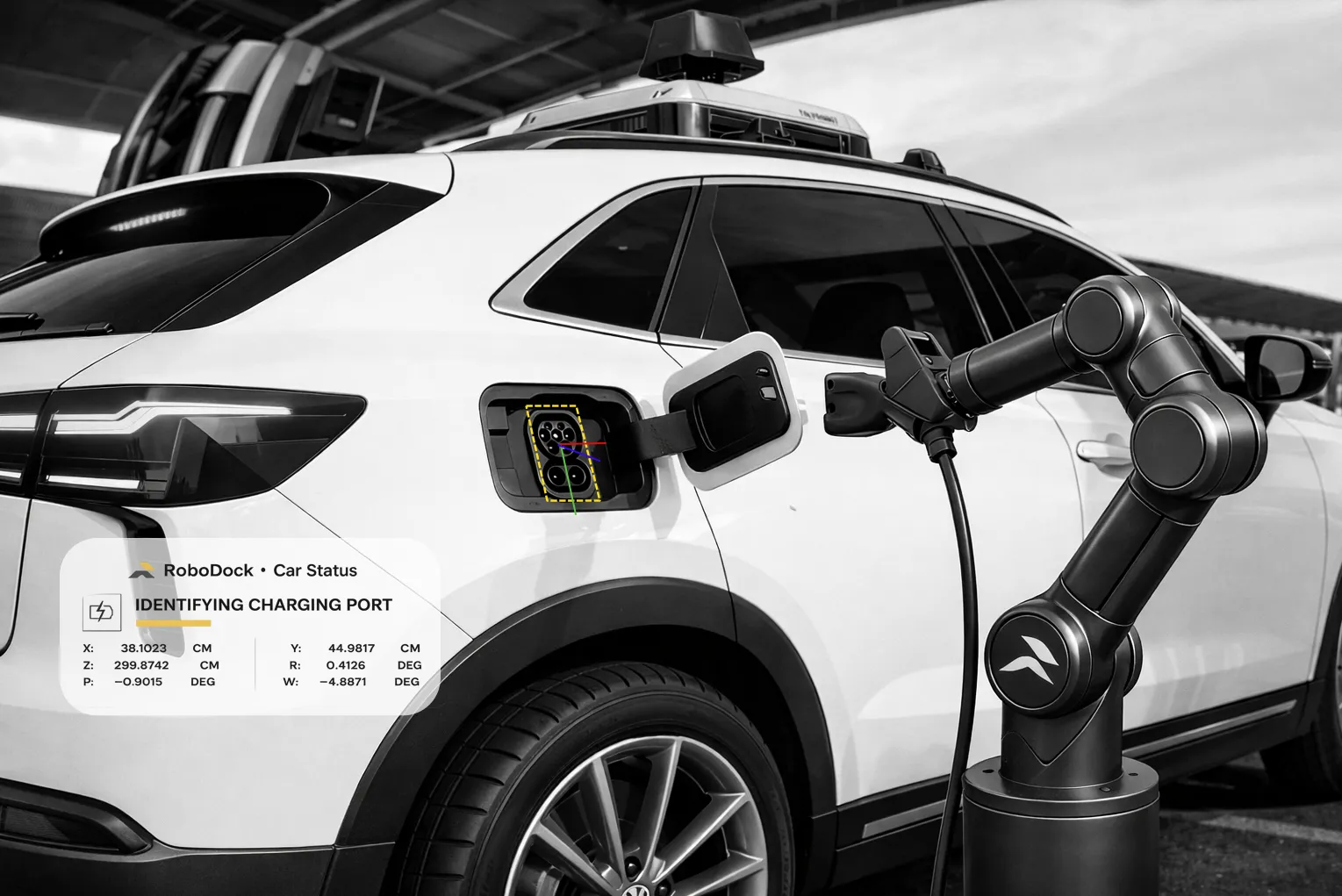
Plug insertion + charge start
Vision-guided alignment and verified connection before power flow
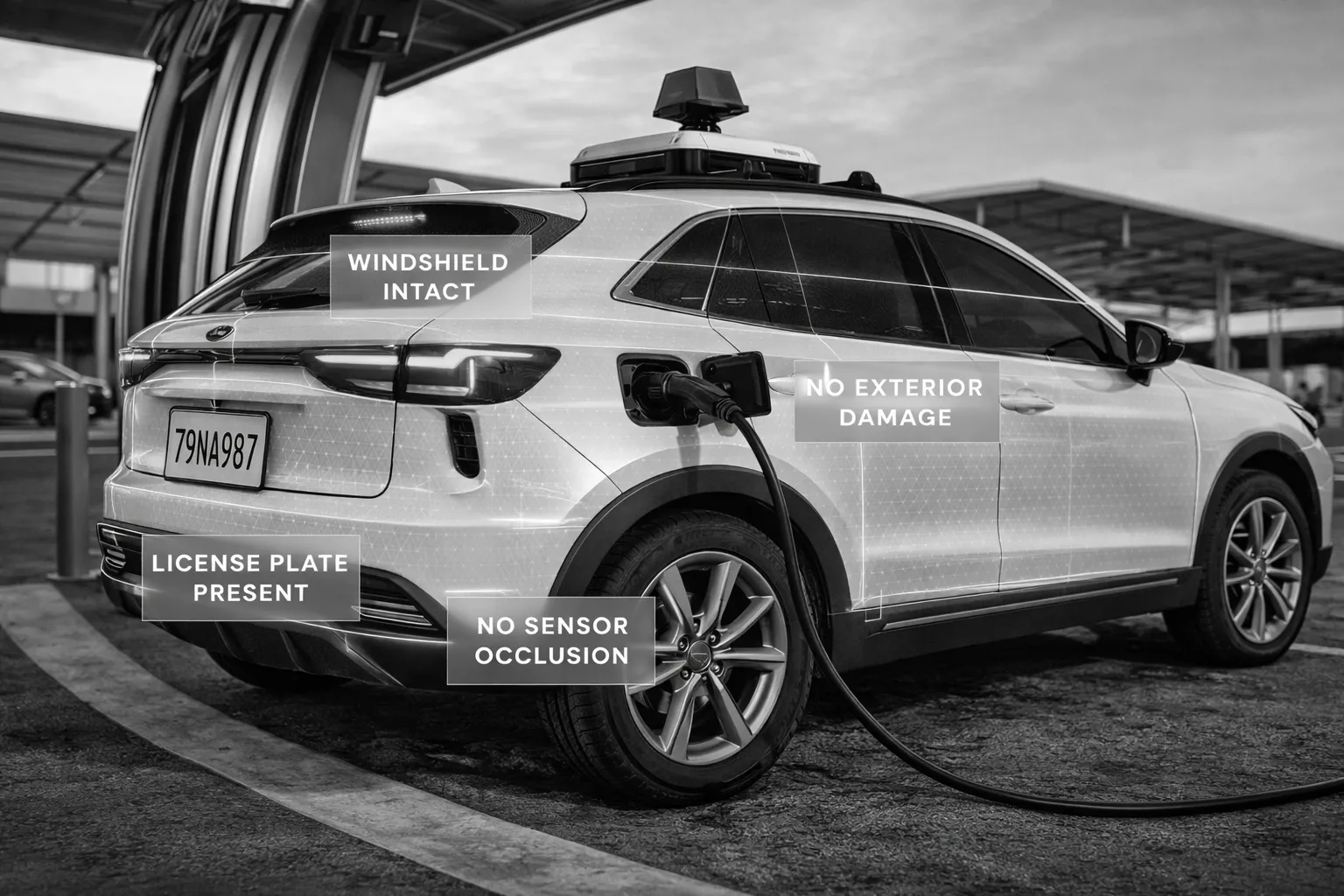
Vehicle inspection
Sensing systems assess vehicle readiness before redeployment
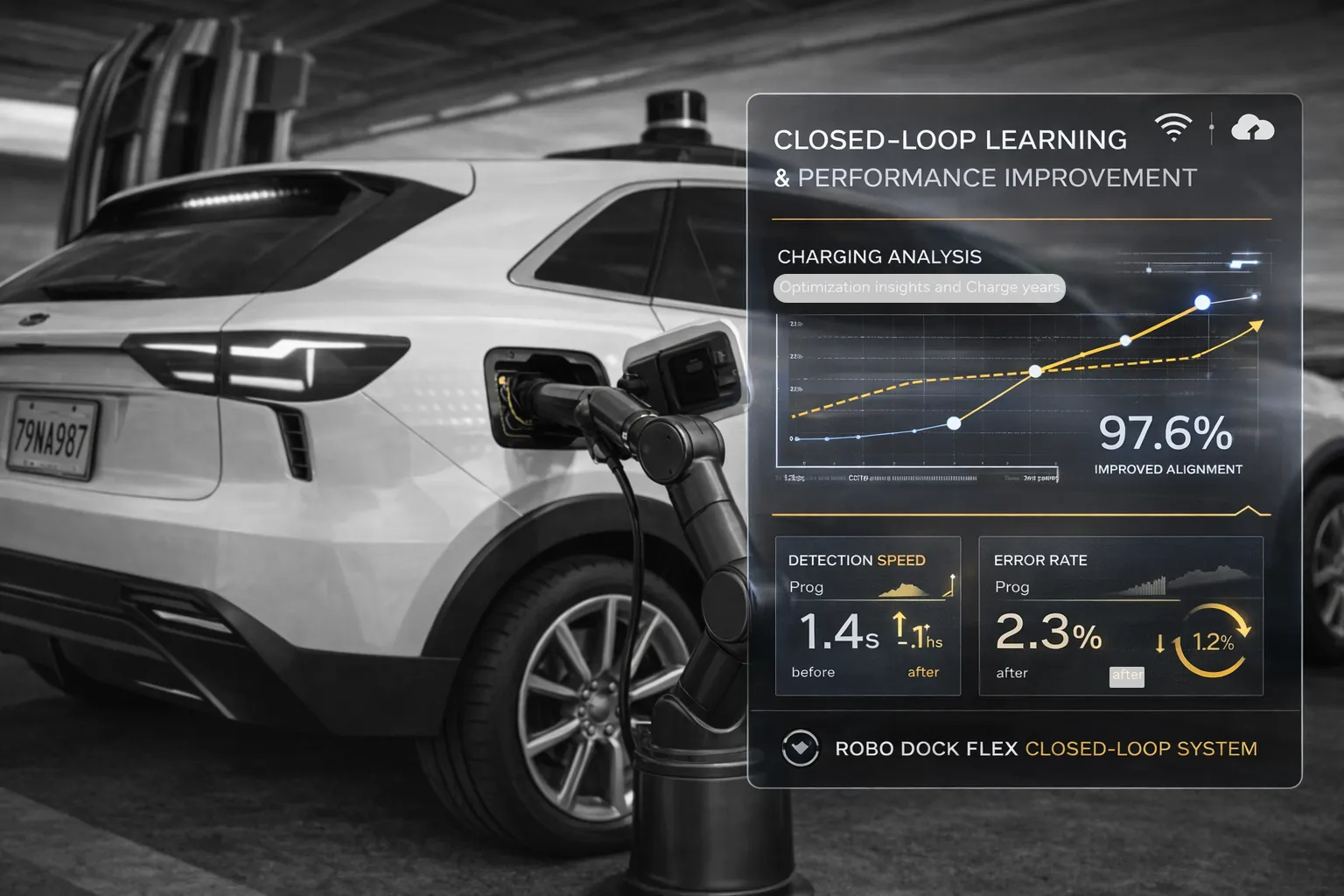
Closed-loop system
Every charge event learns and improves system accuracy and efficiency
Built for real-world autonomy
Autonomous Plug-In & Unplug
Robotic execution replaces manual labor and reduces vehicle downtime.
Vehicle Inspection
Intelligent sensing evaluates vehicle readiness, enabling safe redeployment and continuous system learning.
$1.2M+
Recovered Per Depot, Per Year
Built by Experts in Autonomy

Zinny Weli
Built and deployed real-world robotic charging systems at scale. Previously owned autonomous charging development at Zipline and designed robotic charging systems at Amazon. Stanford-trained in robotics, with deep experience in field deployment, safety, and weather-rated autonomous systems. Now applying that expertise to close the final manual gap in fleet electrification.



Celine Wang
Engineer across autonomous systems, vehicle maintenance, and mechatronics. Previously retrofitted semi-trucks with self-driving systems at Plus, focusing on sensor + actuator integration and vehicle performance. Car enthusiast and proud Stanford tree. Leads RoboDock's technical direction.

